
CULTURAL AUDIT
Novels & Poetry Collections:
- Thomas Bernhard, Woodcutters (1984)
- Natalia Ginzburg, All Our Yesterdays (1952)
- Catherine Pond, Fieldglass (2021)
- Lucie Brock-Broido, Stay, Illusion (2015)
Films:
- Sirāt (2025)
- Paris, Texas (1984)
11.02.26
Lakefront, Midwinter
My sister and I dream the same.
We imagine the impossible, fondly
like lifting a smooth piece of sea glass
to the sun. Everyone is there with us
asking again for what’s already been
given, except their eyes are kinder.
She looks especially beautiful—
wind-chafed, youthful, wanting
what I want.
We dream as if remembering
residuals of light; we forget
the weight of our yearning.
10.30.26
“In truth I think the problem of our time…is that people can be by any measure well-informed, you know, read the right books, maybe even write some of them, have The New York Times and other media sources on their doorstep—literally or figuratively—every morning, be dutiful about being well-informed, and at the same time be profoundly, willfully, ignorant of the conditions of life within walking distance of where they put their heads on the pillow. That to me is extraordinary.
So how we manage to know things and not know them at the same time, how we live with conditions that cry out to be addressed, how we tolerate intolerable things, how we fail to see things that are in plain sight, that to me is core journalistic problematics.
So when we’re thinking about how best to tell a story, it’s not simply how to convey information—god knows we’re all drowning in tsunamis [of information] coming at us all the time—the question is how to tell a story with that information, in a way that breaks through into people’s moral imagination so that it matters.”
—Jamie Kalven, founder of the Invisible Institute, in conversation with Charlie Meyerson in this 2021 interview
I’ve been following Jamie Kalven’s work for some time now, and have held the ethos he articulates here close to my chest. But what are the logistics of “break[ing] through into people’s moral imagination”? What form(s) of documentation does it require? What form(s) of resistance? As a journalist, how do you work to minimize the distance between a reader’s immediate reality and the news stories they engage with?
I think Kalven’s approach to journalism resonates with me because it isn’t solely concerned with disseminating information or participating in the rapid-fire pace of the digital news cycle; it’s devoted to engaging in sustained public dialogue, and empowering citizens to recognize and act on their “co-responsibility with the government for maintaining respect for human rights.” It tells stories grounded in rigorous evidence, and then stewards those narratives beyond their predictable descent from public attention.
This isn’t the type of journalism that simply provides people with talking points at the dinner table. It informs peoples’ actions and works to expand the conversation when social media algorithms, the latest breaking news story, or other forces attempt to stifle it.
Video: Chelsea Wolfe performing the last thirty seconds of “Death Is Not The End”
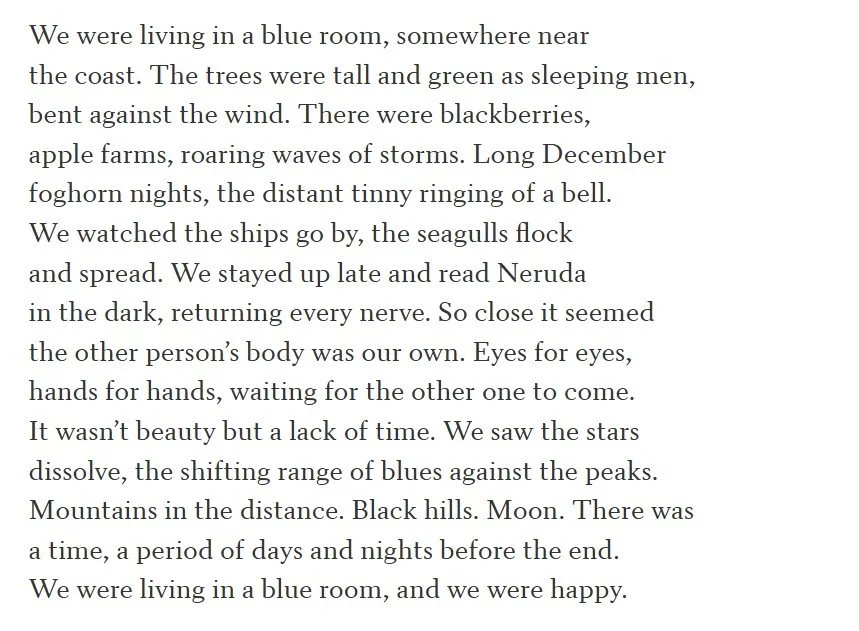
Image 02: “Blue Room,” by Kai Carlson-Wee, published in Poem-a-Day by the Academy of American Poets.
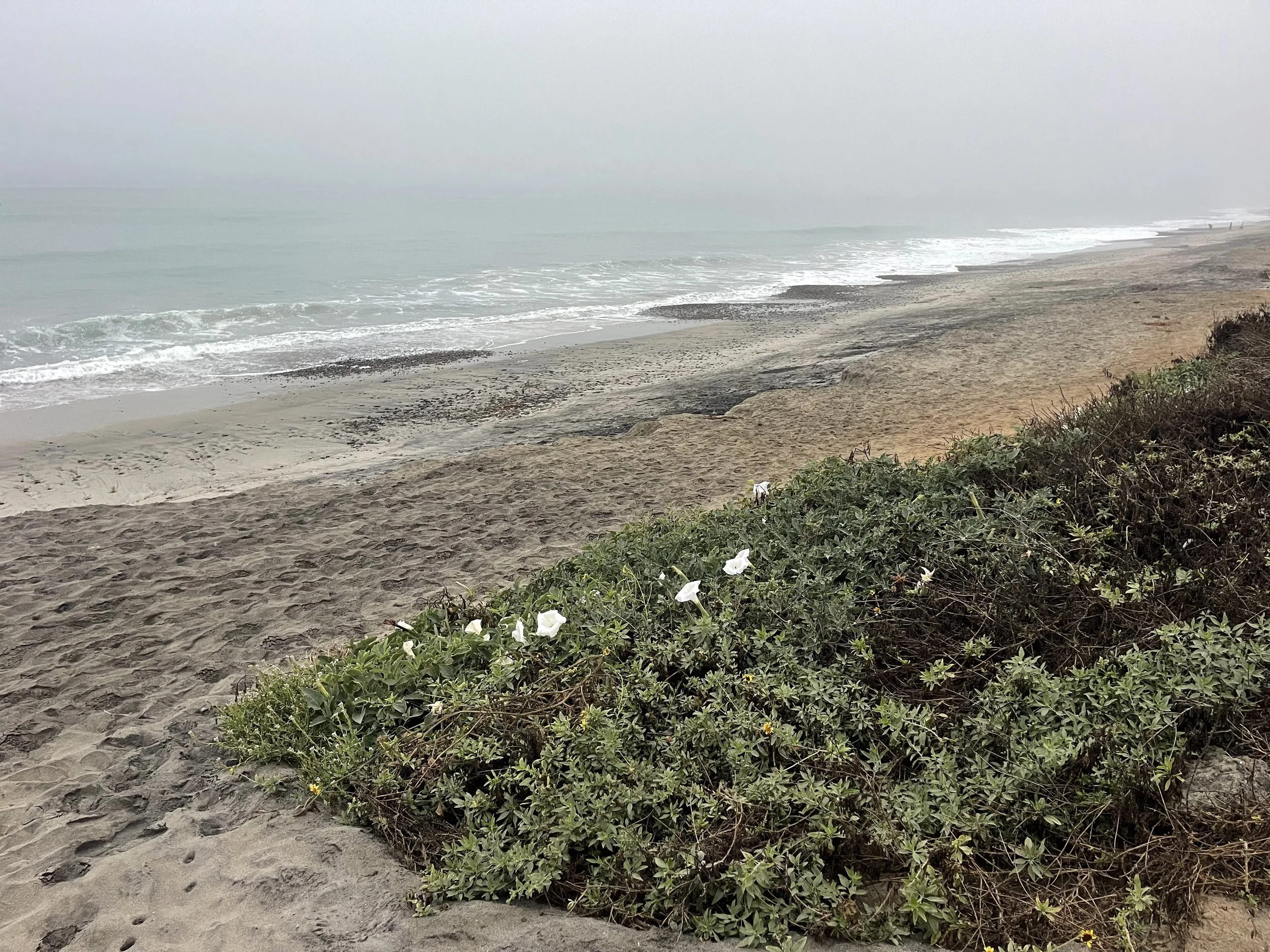
Image 03: My view on a foggy 6 a.m. run
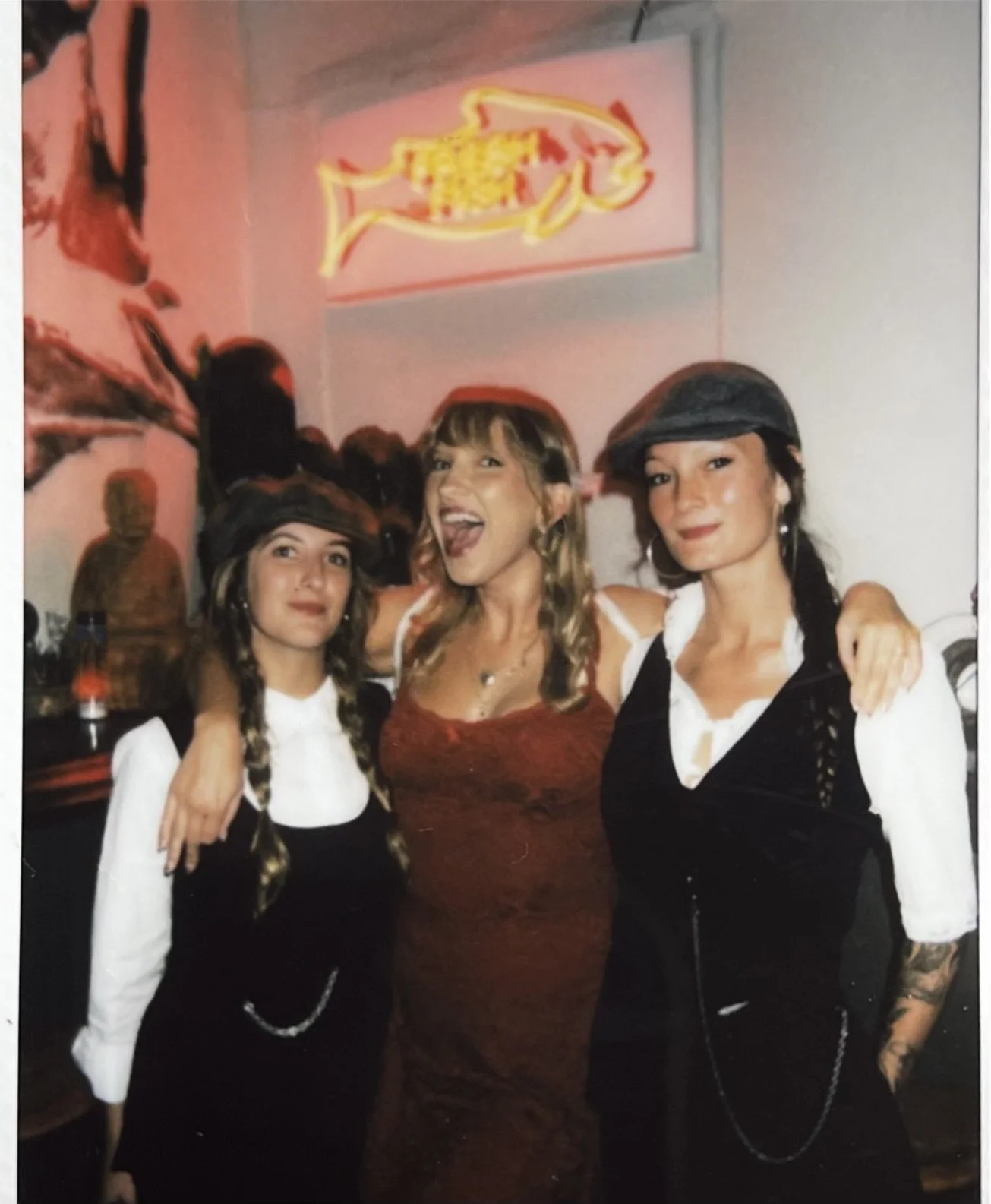
Image 04: Cupid flanked by a coupla Peaky Blinders (or stable boys.. or chimney sweepers), 10/31